Acetaminophen overdose antidote
The antidote for acetaminophen (Tylenol) overdose is acetylcysteine (N-acetylcysteine, Mucomyst). Acetaminophen overdose damages the liver, so acetylcysteine is given to protect it, ideally early. The maximum daily dose for a healthy adult is about 4 grams, and hidden acetaminophen in combination products is a common cause of accidental overdose.
Why acetaminophen has an antidote, and why the NCLEX tests it
Acetaminophen is safe at normal doses but hepatotoxic in overdose, and it hides in many combination cold and pain products. The exam pairs the drug with its antidote and tests the daily limit and hidden-source teaching.
Key nursing considerations for the acetaminophen antidote
Acetylcysteine (N-acetylcysteine, Mucomyst) protects the liver in acetaminophen overdose and works best given early.
Overdose causes hepatotoxicity that can progress to liver failure; monitor liver function.
About 4 grams per day for a healthy adult, lower (around 3 grams) with liver disease or regular alcohol use.
Total up acetaminophen from all products, since many cold and combination pain medicines contain it.
Teach patients not to exceed the daily limit and to check labels for acetaminophen.
How the NCLEX turns the acetaminophen antidote into a question
Report signs of liver injury or a known ingestion above the daily limit.
Priority total the acetaminophen from all sources and anticipate acetylcysteine for overdose.
Lab liver function tests, and the acetaminophen level to guide treatment.
Teach stay under about 4 grams a day, check other medicines so you do not double up on acetaminophen, and avoid alcohol.
A patient taking maximum Tylenol plus a combination cold medicine that also contains acetaminophen. Recognize the overdose risk from hidden sources.
Quick answers
What is the antidote for acetaminophen overdose?
Acetylcysteine (N-acetylcysteine, Mucomyst). It protects the liver and is most effective when given early.
What is the maximum daily dose of acetaminophen?
About 4 grams per day for a healthy adult, and lower (around 3 grams) for people with liver disease or regular alcohol use.
What organ does acetaminophen overdose damage?
The liver. Overdose causes hepatotoxicity that can progress to liver failure, so liver function is monitored.
Keep studying
These pages build on each other. Work through the related classes, then pressure-test yourself against the free cheat sheet and the full guide.
Digoxin level targets
0.8 to 2 ng/mL, and the potassium trap.
Read the guide →Digoxin patient teaching
Pulse-taking, toxicity signs, never double up.
Read the guide →Hypokalemia
Safe potassium replacement: never IV push, ECG, digoxin link.
Read the guide →ACE inhibitor cough
Bradykinin cough, and switching to an ARB.
Read the guide →All high-yield drug classes
The seven most-tested classes on one page, each decoded the same way.
Open the overview →Antidotes & lab values cheat sheet
The must-know antidotes, drug levels, and lab cutoffs, free and printable.
Open the cheat sheet →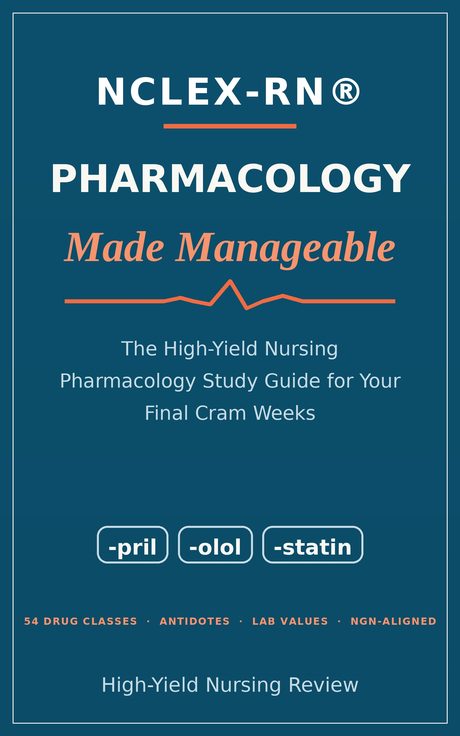
Every high-yield class, decoded the same way
You just read the the acetaminophen antidote breakdown. The full guide runs all 54 high-yield drug classes on one repeatable system, then closes with the cram tables: antidotes, therapeutic drug levels, must-know lab values, the suffix sheet, and a final-week checklist.
98-page PDF + EPUB · instant download · 7-day money-back guarantee · free sample
Get the high-yield cheat sheet by email
Drop your email and we will send you the free High-Yield NCLEX Pharmacology Cheat Sheet as a printable PDF right away: antidotes, high-alert drugs, and the lab-value cutoffs the exam leans on. We email rarely, and you can unsubscribe in one click. Founding reviewers welcome: after you join, just reply to the welcome email and we will send you the full guide free to review honestly.